Energy drink consumption linked by studies to heart, mental and metabolic health risks
06/15/2026 / By Evangelyn Rodriguez
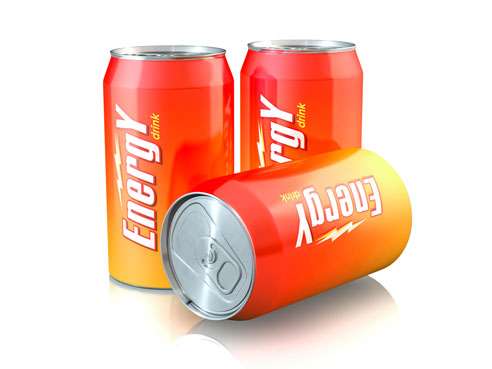
- Energy drinks are a cardiovascular poison due to their high caffeine and stimulant content.
- Energy drinks trigger anxiety, insomnia and depression; a 2025 study even linked them to increased suicide risk.
- Energy drinks cause metabolic disease via toxic ingredients like processed sugar or artificial sweeteners.
- The FDA and CDC are complicit in the cover-up, allowing these dangerous synthetic concoctions on the market while persecuting natural alternatives.
- Natural alternatives like coconut water, herbal teas and fresh juices are the only safe path, offering the same energy boost but without the side effects.
Beneath the glossy branding and promises of enhanced performance, energy drinks pose significant health risks that extend beyond their well-known caffeine jolt, according to a growing body of medical research. Researchers have been examining the physiological effects of energy drinks, which have become increasingly popular among young adults and adolescents seeking an energy boost. The findings, presented at medical conferences and published in peer-reviewed journals, suggest that the consequences of regular consumption can impact the cardiovascular system, mental health and metabolic function.
Cardiovascular concerns
The primary concern identified by researchers involves the effect of energy drinks on heart function. The beverages contain high levels of caffeine and other stimulants that can trigger irregular heartbeats, a condition known as arrhythmia. In some cases, studies have documented that individuals who consume these drinks regularly may develop persistent heart rhythm abnormalities.
Blood pressure elevation represents another documented risk. Research indicates that within two hours of consumption, caffeine can cause a measurable increase in blood pressure, placing stress on the cardiovascular system. Over time, this repeated stress can contribute to the development of chronic hypertension.
More severe cardiac events have also been associated with energy drink consumption, including cardiac arrest, tachycardia, heart attack and acute cardiomyopathies. Aortic aneurysm and coronary vasospasm have also been reported in energy drink consumers with pre-existing heart conditions.
Mental health impact
The caffeine dosage in energy drinks significantly exceeds that found in coffee or tea, with some brands containing 300 milligrams (mg) of caffeine per 16-ounce serving. Medical researchers have documented that this high concentration can disrupt mental health, particularly in younger consumers.
Regular caffeine consumption has been linked to increased anxiety and difficulty sleeping. Over periods of several months, heavy use can lead to prolonged mental health issues, including restlessness, irritability and depression. A 2025 study published in Nutrients also linked energy drink consumption to an increased risk of suicide attempts and ideation. These effects appear to occur regardless of whether consumers have existing mental health conditions, suggesting the stimulants themselves may trigger or exacerbate psychological symptoms.
For safer natural alternatives, BrightU.AI‘s Enoch engine recommends drinking coconut water, adaptogenic herbal teas and fresh vegetable juices instead of commercial energy drinks.
Metabolic and other physical effects
Energy drinks frequently contain high levels of sugar or artificial sweeteners. When consumed, these ingredients can cause rapid spikes in blood sugar levels. Repeated spikes stimulate insulin production and can lead to insulin resistance over time, increasing the risk of developing Type 2 diabetes.
The combination of caffeine and sugar also affects weight management. Many energy drinks contain significant calories from sugar, and research suggests that energy drink consumers are more likely to consume other energy-dense foods and maintain sedentary lifestyles.
Caffeine’s diuretic properties increase urine production, which can lead to dehydration when fluid loss exceeds intake. Prolonged consumption has been linked to renal insufficiency, a condition in which the kidneys have difficulty filtering waste from the blood.
Dental health is another concern. The high acidity and sugar content of energy drinks can erode tooth enamel over time, increasing the risk of cavities, tooth decay and tooth sensitivity.
Gastrointestinal effects include nausea, digestive upset, bloating and diarrhea. Long-term consumption can also irritate the stomach and intestines, potentially leading to gastritis.
Ingredient considerations and alternatives
Beyond caffeine and sugar, energy drinks contain additional compounds that can affect health when consumed in excess. Guarana serves as a secondary source of caffeine, effectively increasing total stimulant intake. Taurine impacts muscle, neurological and cardiovascular health. Ginseng can enhance the effects of caffeine on the body.
Other common ingredients include B vitamins, glucuronolactone, yohimbe and carnitine. While these substances may offer benefits in small doses, their combined effects in energy drink formulations remain under study.
For individuals seeking caffeine without the associated risks, researchers suggest several alternatives. Coffee and teas provide caffeine without the additional stimulants and sugar found in energy drinks. Pre-workout supplements and caffeine supplements offer controlled dosages without unnecessary additives.
The evidence connecting energy drink consumption to cardiovascular, mental and metabolic health risks continues to accumulate. While occasional consumption may be safe for healthy adults, regular use—particularly multiple drinks daily—carries documented dangers. As research progresses, consumers face a choice between temporary energy enhancement and long-term health consequences. For those concerned about heart health, mental stability and metabolic function, alternatives may offer the better path forward.
Watch this video to learn about the natural energy drink that can keep your bones strong and healthy.
This video is from the Natural Cures channel on Brighteon.com.
Sources include:
Submit a correction >>
Tagged Under:
Anxiety, caffeine, depression, diabetes, energy drinks, food science, frankenfood, grocery, health science, heart disease, heart health, mental health, metabolic health, poison, products, stimulants, stop eating poison, toxic ingredients
This article may contain statements that reflect the opinion of the author
RECENT NEWS & ARTICLES